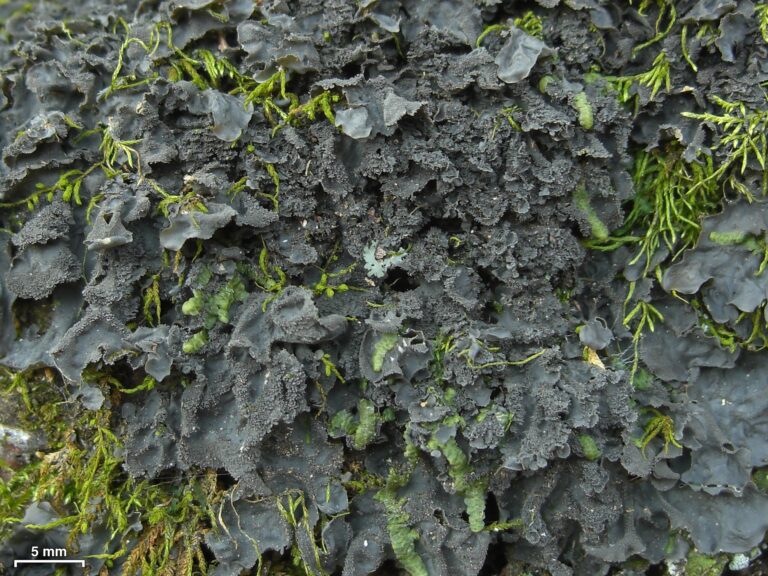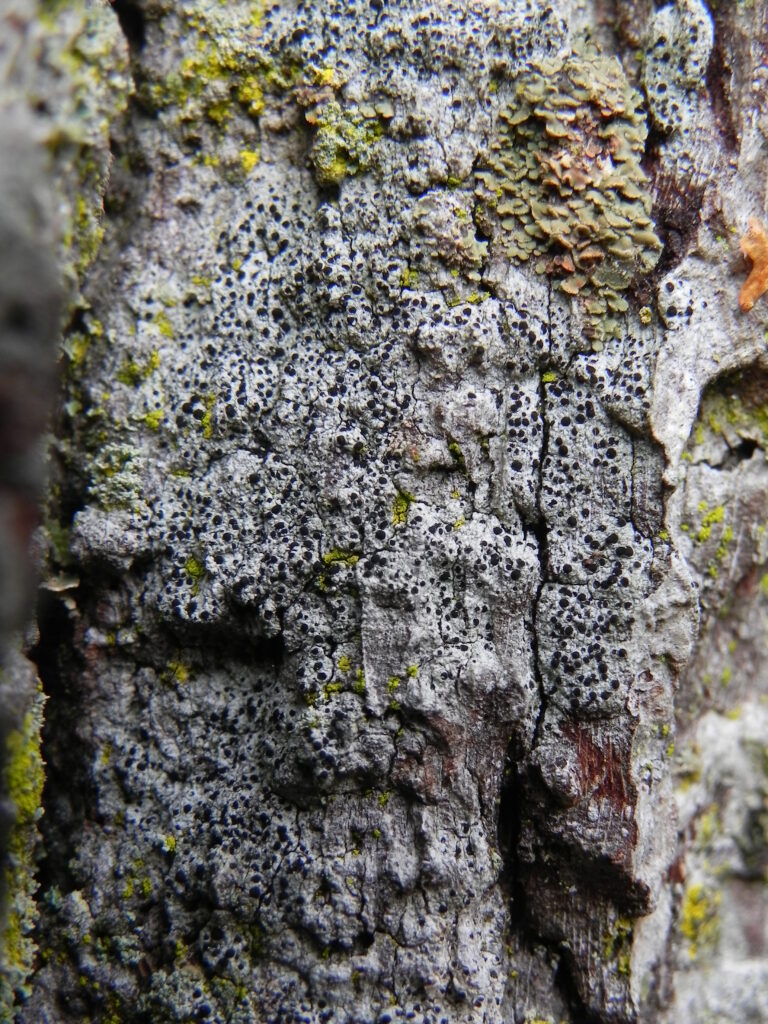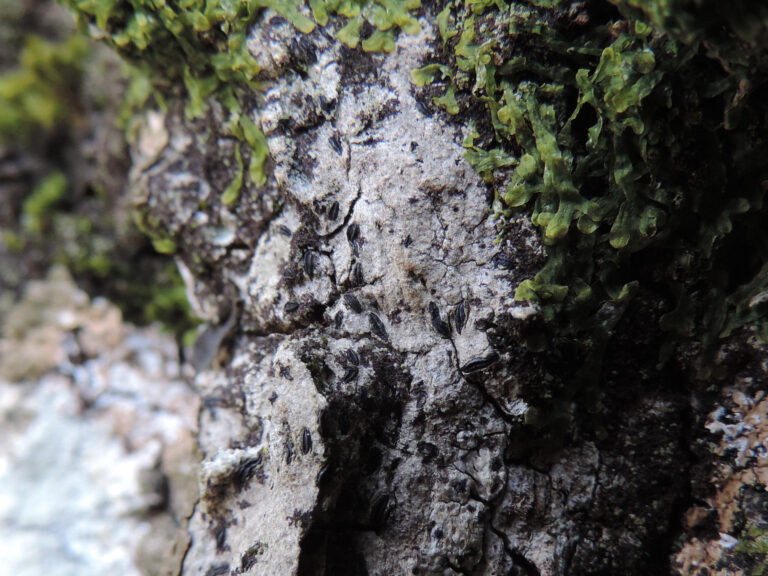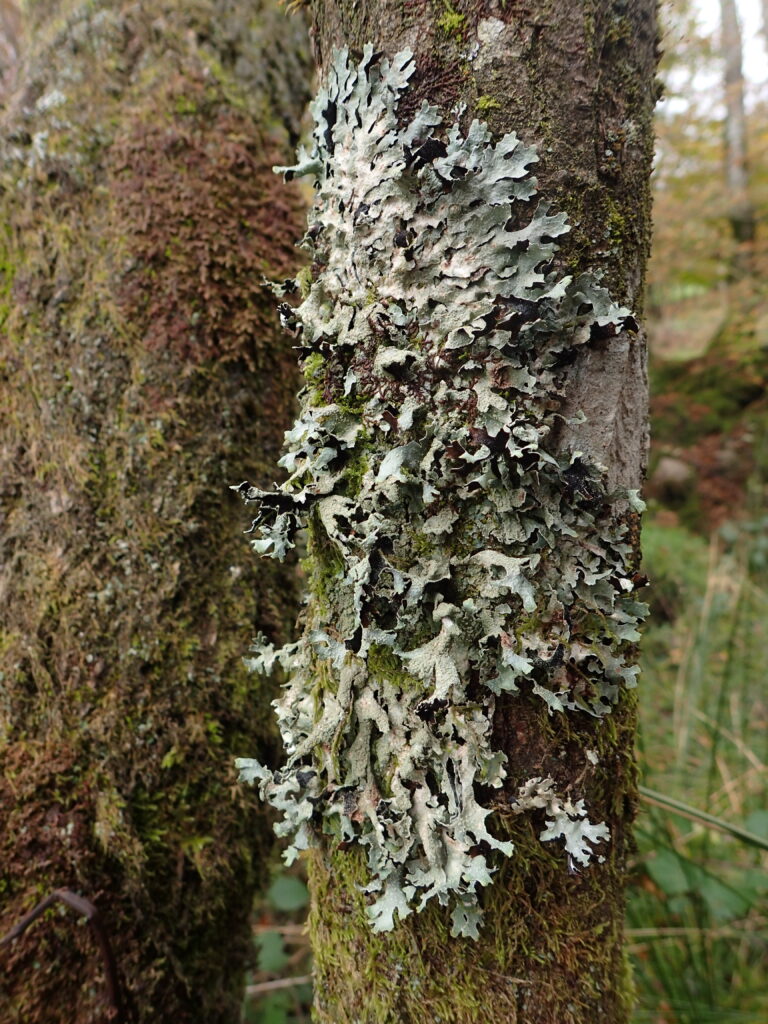

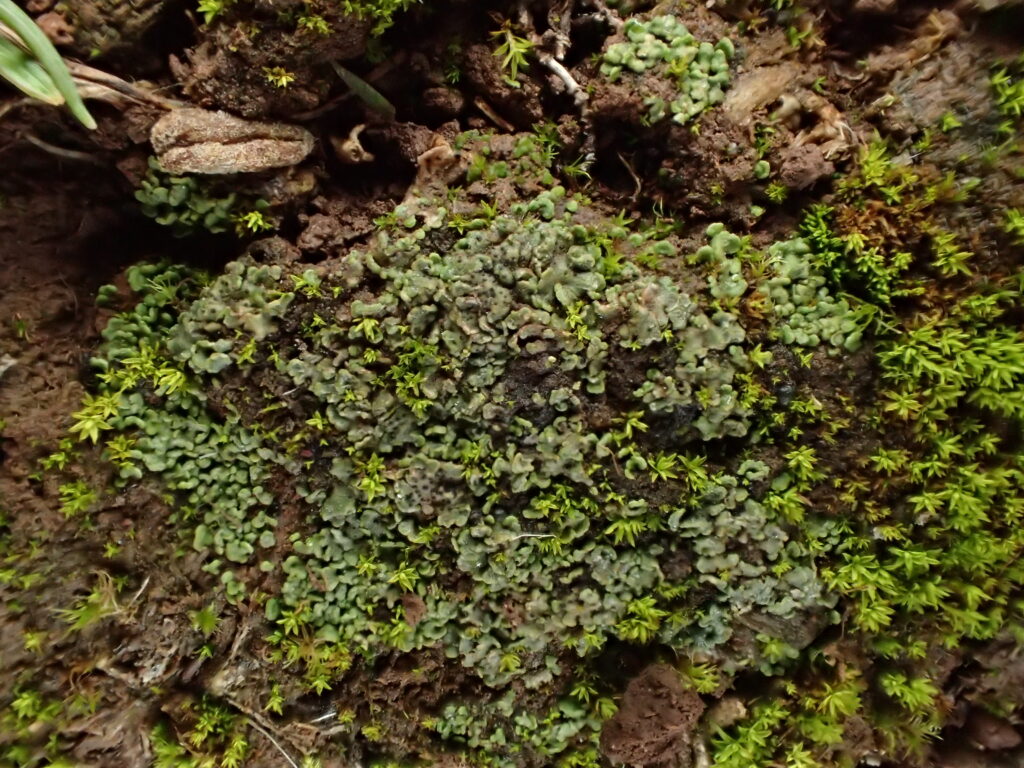
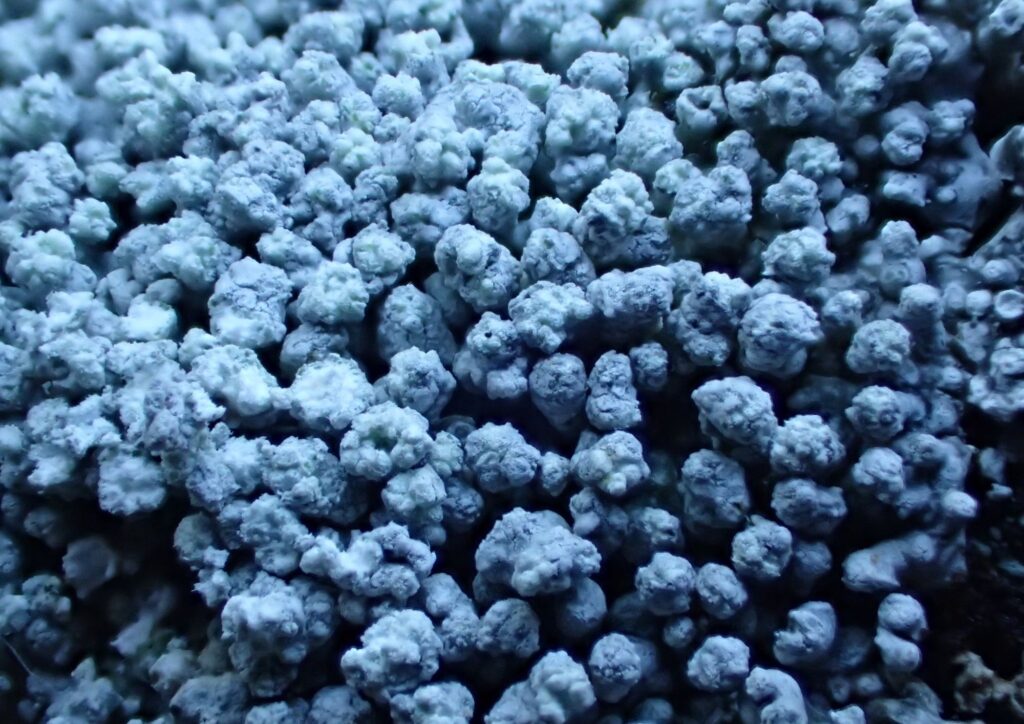
Lichens are complex organisms made up of at least one fungus partnered with an algaTiny, simple plants without stems, roots or leaves. or cyanobacteria (photobiontThe photosynthetic partner in a lichen. This is usually a green alga or a cyanobacterium that produces food for the entire organism through photosynthesis (using sunlight, water and carbon dioxide). ). This symbiotic relationship allows the species to inhabit harsh environments where neither could survive alone.
The fungus forms the greatest part of a lichen. It absorbs nutrients and water, anchors the lichen in place and protects the photobiont from drying out. The photobiont produces sugars through photosynthesis, which is why many lichens generally prefer sunny positions.
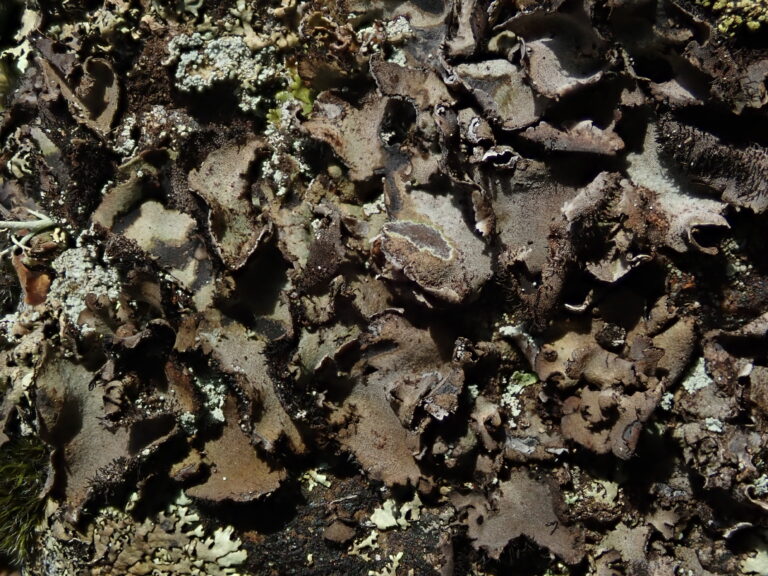
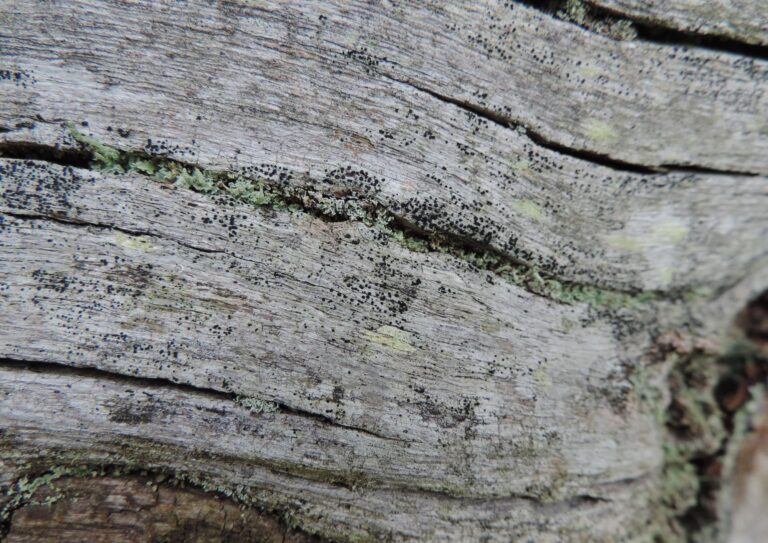
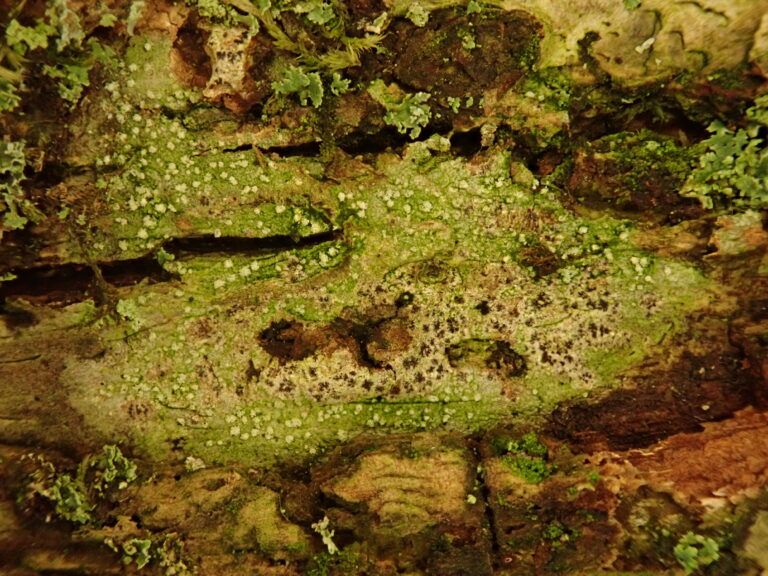
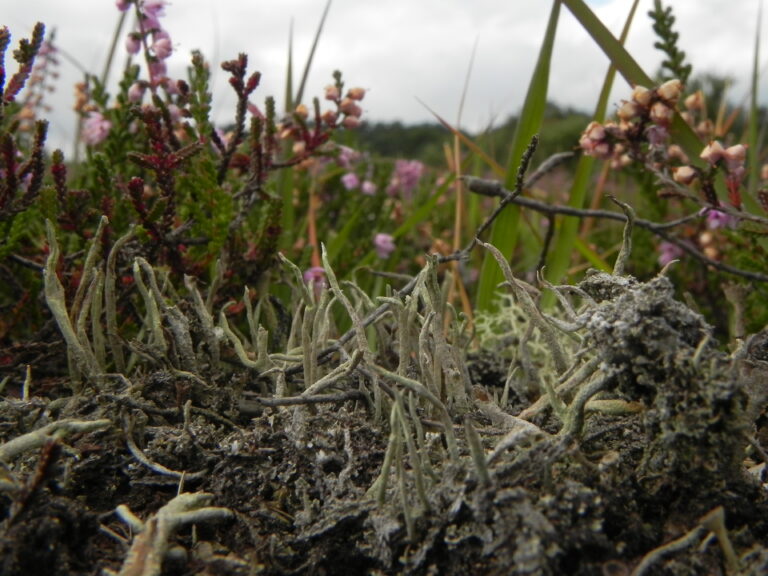
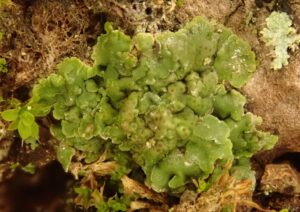
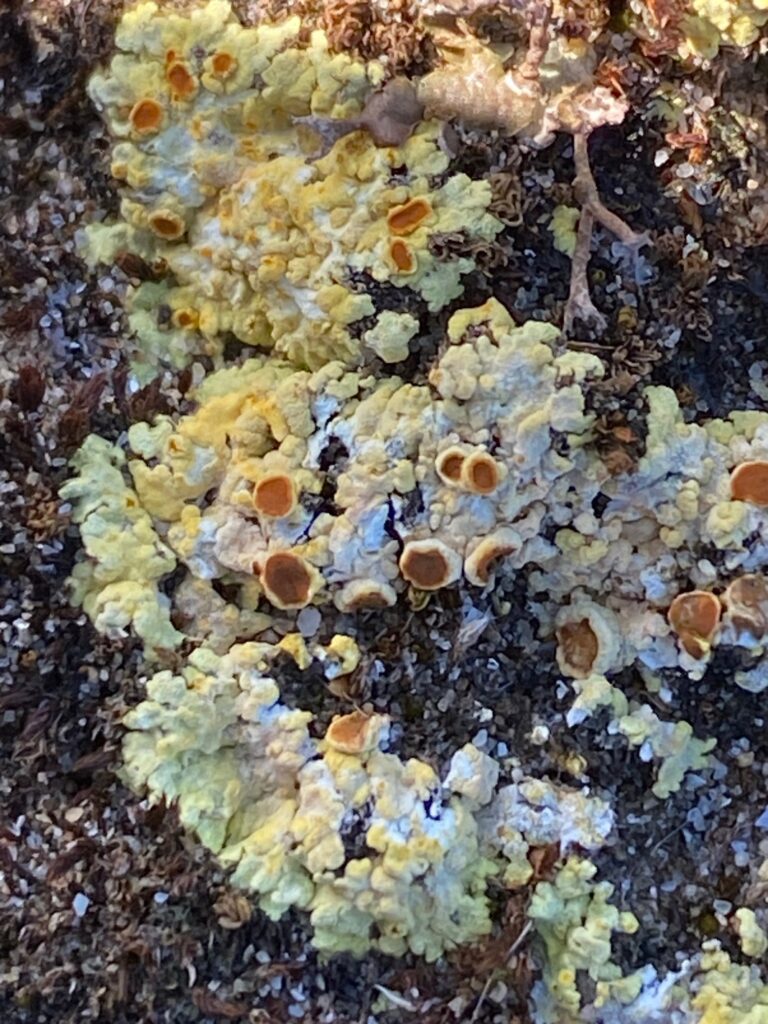
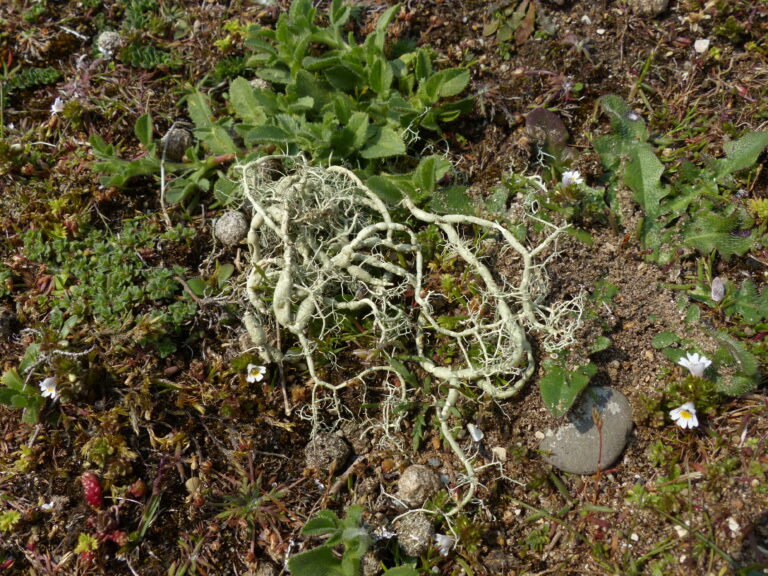
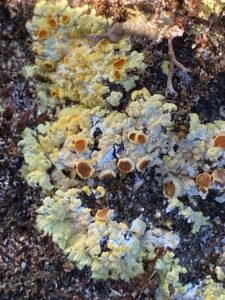
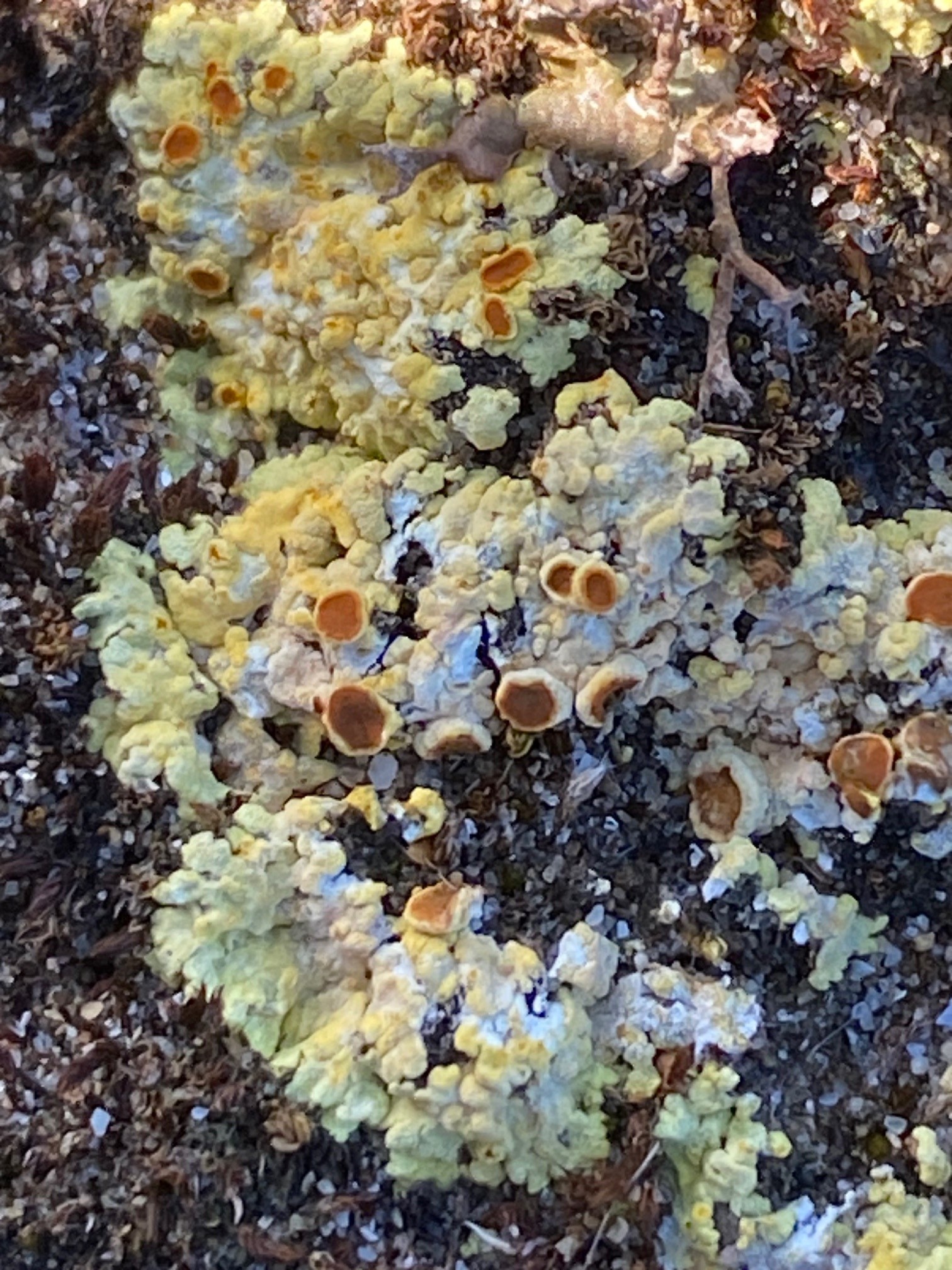
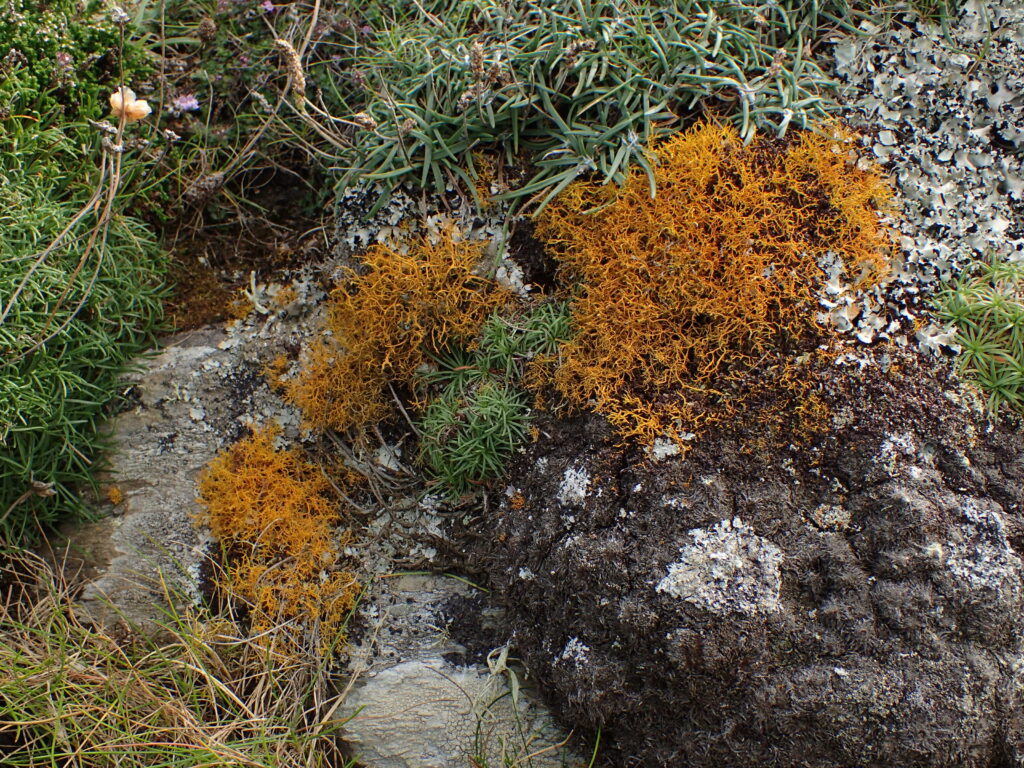
Lichens have developed in various growth forms, including crustose (crust-like), foliose (leaf-like), and fruticose (shrub-like). Some lichen communities also develop in response to the growing conditions, including substrateA surface or material than an organism lives, grows or feeds on., humidity, nutrient enrichment and the amount of light. For example, Parmelion lichens typically grow on trees with very acidic bark, saxicolous lichens grow on rocks, and terricolous communities mainly grow largely on consolidated soil.
Lichens have a crucial role in many ecosystems. They can break down rocks and other materials, helping to create soil in environments where it’s scarce. They produce organic matter, which can make soil more fertile and support the growth of other plant species. They’re also microhabitats that provide shelter, food and moisture for a variety of invertebrates, particularly springtails, oribatid mites and barkflies, as well as fungi and other organisms.
Lichens absorb nutrients and water directly from the air and so are sensitive to airborne pollutants. The greatest diversity of species grows in areas with clean air, although some lichens can survive polluted conditions, such as high levels of atmospheric ammonia.
See the Devon Species of Conservation Concern spreadsheet and Devon Special SpeciesDevon Species of Conservation Concern that have been 'shortlisted' as needing particular action or attention. and Groups below. To read the detailed profile for each group see links in Find out more below.